Why Mexico City Is One of the Best Host Cities for the World Cup
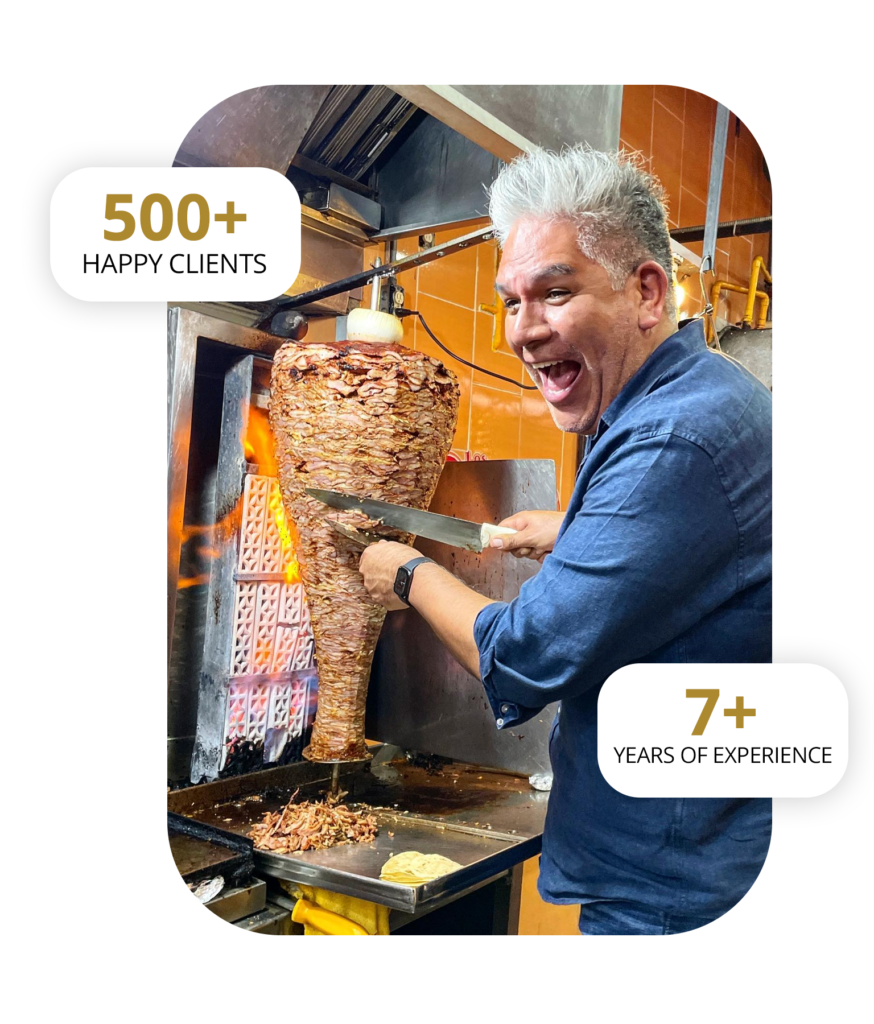
Ubish Yaren Chef, Podcaster and Stand up comedian, born and raised in Mexico City, tour guide since 2015 and his favorite taco is barbacoa. Table


Chef, Podcaster and Stand up comedian, born and raised in Mexico City, tour guide since 2015 and his favorite taco is barbacoa.
Traveling to Mexico City for the World Cup will be an unforgettable experience. The city will be full of energy, fans from around the world, and countless events happening every day. However, one thing many visitors underestimate is how large and complex the city can be.
Learning how to use public transportation can make your trip significantly easier. During major events like the World Cup, traffic often becomes extremely heavy, and in many cases the metro or other transit options are faster than cars.
Understanding a few practical tips before arriving will help you move around the city more confidently and make the most of your time between matches.
Mexico City is one of the largest cities in the world. Distances between neighborhoods can be greater than travelers expect, and traffic can slow down even short trips.
During the World Cup, thousands of visitors will be traveling across the city to reach the Estadio Azteca and other popular areas. Because of this, public transportation can often be the most efficient way to get around.
The metro system is extensive and connects many major neighborhoods. Buses, trolleybuses, and other systems also cover large parts of the city. For travelers who are comfortable using transit in large cities, it can be a very practical way to explore.
At the same time, first time visitors should take a little time to understand how things work before relying on the system during busy days.
The Mexico City Metro is one of the busiest subway systems in the world. It connects large areas of the city and is often the fastest way to travel across long distances.
Stations are identified by both names and symbols, which helps travelers navigate even if they do not speak Spanish.
Before the World Cup matches begin, it is a good idea to ride the metro at least once or twice so you become familiar with how it works. This helps reduce stress when the city becomes more crowded on match days.
Buying tickets is straightforward. Travelers can purchase a metro card and add credit to it for multiple rides. This card can also be used in other transit systems across the city.

While the metro uses cards, many buses and smaller transit options still require cash.
Visitors should carry small bills or coins when planning to use buses. Drivers often do not provide change for large bills.
Having cash available can make spontaneous travel much easier, especially when moving between neighborhoods that are not directly connected by the metro.
Rush hours in Mexico City can be extremely crowded. Weekday mornings and evenings see heavy commuter traffic across the transit system.
During the World Cup, this congestion may increase even more.
If possible, plan your movements outside of peak commuter hours. Midday travel is usually more comfortable and gives visitors a better chance to navigate stations without large crowds.
One of the most common mistakes travelers make is underestimating how large Mexico City really is.
A neighborhood that looks close on a map may take much longer to reach because of distance or traffic. Planning a realistic itinerary helps avoid spending too much time commuting.
For example, visiting a museum in Chapultepec and then traveling to a neighborhood on the opposite side of the city in the same afternoon may not be practical.
Understanding travel times between neighborhoods is essential, especially if you are planning activities between World Cup matches.
Public transportation helps visitors move around the city efficiently, but navigating neighborhoods, markets, and food spots often becomes much easier with local insight.
Experiences such as the Downtown Street Food Tour allow travelers to explore the Historic Center while learning how the city works from people who have lived there their entire lives.
Food tours can also help visitors understand how to choose good street food stands, what dishes to try, and how local food culture operates across different neighborhoods.
Similarly, the Market Tour introduces travelers to traditional markets that can feel overwhelming when exploring independently.
These experiences provide valuable context that helps visitors feel more confident moving around the city afterward.

Match days will likely bring heavy traffic across many areas of Mexico City. Large crowds will be moving toward the stadium and surrounding neighborhoods.
Because of this, many visitors find it useful to rely on public transportation rather than private vehicles when traveling to or from major events.
Arriving early and allowing extra travel time is always recommended.
Between matches, travelers can also take advantage of quieter moments to explore other parts of the city. Visiting neighborhoods like Roma, Condesa, or the Historic Center can be a great way to experience daily life in Mexico City away from the stadium crowds.
Many travelers visiting for the World Cup want to explore beyond central neighborhoods as well.
A day trip to ancient pyramids or a visit to historic canals can offer a completely different perspective on the region.
For example, the Teotihuacan Pyramids Private Tour allows visitors to explore one of the most important archaeological sites in the Americas with historical context that is often missed when visiting independently.
The Xochimilco Tour offers another unique experience, exploring the ancient agricultural canals that have existed since pre Hispanic times.
These experiences can be excellent additions to a World Cup itinerary, providing a balance between football excitement and cultural exploration.
Public transportation in Mexico City may seem intimidating at first, but with a little preparation it can become a valuable tool for exploring the city.
Learning how the metro works, carrying small amounts of cash, and understanding travel times between neighborhoods can make your visit far smoother.
For World Cup visitors, combining public transportation with local experiences is often the best approach. It allows you to navigate the city efficiently while also discovering the culture, food, and traditions that make Mexico City such a remarkable destination.
Ubish Yaren Chef, Podcaster and Stand up comedian, born and raised in Mexico City, tour guide since 2015 and his favorite taco is barbacoa. Table
Ubish Yaren Chef, Podcaster and Stand up comedian, born and raised in Mexico City, tour guide since 2015 and his favorite taco is barbacoa. Table

Ubish Yaren Chef, Podcaster and Stand up comedian, born and raised in Mexico City, tour guide since 2015 and his favorite taco is barbacoa. Table